
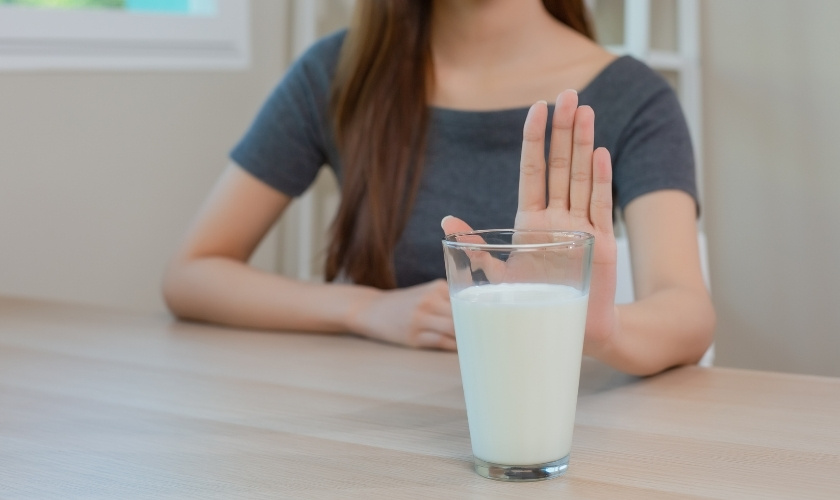
Dental implants are one of the most reliable and long-lasting solutions for replacing missing teeth. While the procedure has a high success rate, your recovery depends greatly on following the aftercare instructions provided by your dentist. Understanding the reason behind this temporary dietary restriction can help protect your healing gums and improve the chances of a successful implant.
At NY Implant Dentistry, patients receive personalized post-treatment guidance to support a smooth and comfortable recovery. If you’re planning for dental implant treatment in New York, knowing what to eat – and what to avoid – is an important part of the healing process.
Why Is Dairy Often Avoided After Dental Implant Surgery?
Many dentists recommend avoiding dairy products for the first 24 to 48 hours after dental implant surgery. While dairy is generally nutritious, it may not be the best choice immediately after your procedure.
Here are the main reasons:
1. It May Increase Nausea
If you’ve received sedation or anesthesia during your implant procedure, your stomach may be sensitive. Milk, cheese, yogurt, and other dairy products can sometimes make nausea worse, especially within the first day.
2. Some Dairy Products Contain Bacteria
Although pasteurized dairy is considered safe, certain dairy products naturally contain bacteria that may not be ideal when your surgical site is healing. Your dentist may recommend avoiding them to reduce the risk of irritation or infection.
3. Dairy Can Leave a Coating in the Mouth
Milk and dairy products may leave a film inside your mouth, making it harder to keep the surgical area clean. Maintaining excellent oral hygiene after implant placement is essential for proper healing.
4. It May Cause Mild Inflammation for Some People
Some individuals experience digestive discomfort or mild inflammation after consuming dairy. Since your body is already recovering from surgery, avoiding foods that could trigger discomfort may support the healing process.
How Long Should You Avoid Dairy?
For most patients, avoiding dairy for 24 to 48 hours is sufficient. However, every patient’s recovery is different. Your dentist may recommend a longer restriction depending on:
- The number of implants placed
- Whether bone grafting was performed
- Your overall health
- Your individual healing progress
Always follow your dentist’s specific post-operative instructions.
What Foods Should You Eat Instead?
Choosing soft, nutritious foods can help your mouth heal comfortably without placing stress on the implant site.
Good options include:
- Applesauce
- Mashed potatoes
- Oatmeal (cooled)
- Smooth soups
- Scrambled eggs
- Avocado
- Soft cooked vegetables
- Fruit smoothies without dairy
- Protein shakes made with plant-based milk
- Bananas
These foods are easy to chew and provide nutrients your body needs during recovery.
Foods to Avoid Besides Dairy
Along with dairy, there are several foods that should be avoided during the early healing stage.
These include:
- Crunchy chips
- Nuts
- Popcorn
- Hard candies
- Sticky foods
- Very spicy meals
- Extremely hot foods and drinks
- Alcohol
- Carbonated beverages
These foods may irritate the surgical area or interfere with proper healing.
Why Nutrition Matters After Dental Implant Surgery
Your body needs vitamins, minerals, and protein to repair tissue and support bone healing. A balanced diet can help reduce inflammation and encourage faster recovery.
Focus on foods rich in:
- Protein
- Vitamin C
- Zinc
- Iron
- Healthy fats
- Hydration
Drinking plenty of water also helps maintain good oral health throughout recovery.
Other Recovery Tips After Dental Implant Treatment
Following your dentist’s aftercare instructions is just as important as choosing the right foods.
Helpful recovery tips include:
Rest During the First Day
Allow your body time to heal by avoiding strenuous activities.
Use Ice Packs
Applying an ice pack to the outside of your face can reduce swelling during the first 24 hours.
Avoid Smoking
Smoking significantly increases the risk of implant failure by reducing blood flow to the healing tissues.
Keep the Area Clean
Brush carefully around the surgical site and use any prescribed mouth rinse as directed.
Take Medications as Prescribed
Complete any antibiotics or pain medications exactly as instructed.
When Can You Return to Your Normal Diet?
Most patients gradually return to regular foods after several days, depending on their comfort level. Hard or chewy foods should only be reintroduced once your dentist confirms the implant site is healing properly.
Healing times vary, but patience during the first few weeks greatly improves long-term implant success.
Signs You Should Contact Your Dentist
While mild swelling and discomfort are normal, seek professional care if you notice:
- Severe or worsening pain
- Heavy bleeding
- Persistent swelling after several days
- Fever
- Pus around the implant
- Implant mobility
- Difficulty swallowing
Prompt treatment can prevent complications and protect your implant.
Why Professional Aftercare Makes a Difference
Dental implant treatment doesn’t end after surgery. Regular follow-up appointments allow your dentist to monitor healing and ensure the implant integrates properly with your jawbone.
Every patient’s recovery is unique, which is why personalized aftercare instructions are essential for achieving long-lasting results.
Conclusion
Avoiding dairy after dental implant treatment is generally a short-term precaution designed to support a cleaner, more comfortable healing environment. Combined with a soft diet, proper oral hygiene, and careful post-operative care, this temporary restriction helps improve your recovery and the long-term success of your implant.
If you’re considering dental implant treatment, visit our office at NY Implant Dentistry for expert care tailored to your needs. To schedule an appointment or learn more about your treatment options, contact us today at +16469606798.
Frequently Asked Questions
1. Why should I avoid dairy after dental implant treatment?
Many dentists recommend avoiding dairy for the first 24 – 48 hours because it may increase nausea after sedation, leave residue in the mouth, and potentially interfere with comfortable healing.
2. How long should I stay away from dairy?
Most patients can resume dairy after 24 – 48 hours, depending on their healing progress and the dentist’s post-operative recommendations.
3. Can I drink almond or oat milk instead?
Yes. Plant-based milk alternatives like almond, oat, or soy milk are generally suitable during the initial recovery period unless advised otherwise.
4. Is yogurt safe after dental implant surgery?
Although yogurt is soft, some dentists suggest avoiding it briefly because it is a dairy product and may not be ideal during the earliest healing phase.
5. What are the best foods after dental implant surgery?
Soft foods such as mashed potatoes, applesauce, oatmeal, scrambled eggs, smoothies made with plant-based milk, and soft vegetables are excellent early choices.
6. Will eating dairy cause implant failure?
Eating dairy alone is unlikely to cause implant failure, but following your dentist’s dietary recommendations helps create the best conditions for proper healing.
7. When can I eat normally again after implant surgery?
Most patients gradually return to regular foods within several days to a few weeks, depending on healing progress and their dentist’s instructions.