
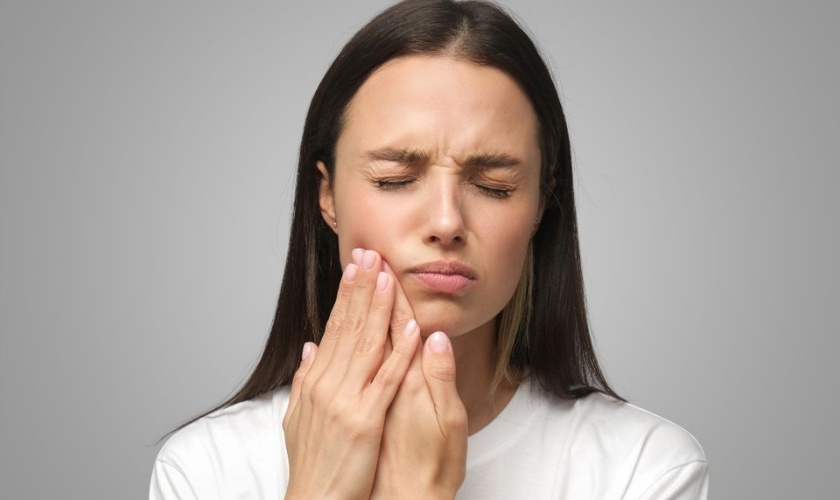
Experiencing pain when you bite down can make eating, drinking, and even speaking uncomfortable. While occasional tooth sensitivity may not always indicate a serious problem, persistent pain when chewing or applying pressure should never be ignored. A sore tooth can be a sign of an underlying dental condition that requires prompt attention to prevent further damage.
At NY Implant Dentistry, we understand how frustrating tooth pain can be. If you’re experiencing discomfort while biting, identifying the cause early can help you receive the right treatment and protect your oral health.
Why Does My Tooth Hurt When I Bite Down?
Biting pain usually occurs when pressure is placed on a damaged or inflamed tooth. The discomfort may be sharp, dull, or throbbing, depending on the underlying issue. In many cases, the pain develops gradually, but it can also appear suddenly after trauma or biting something hard.
Ignoring the pain may allow the condition to worsen, leading to more extensive treatment later.
Common Causes of Tooth Pain When Biting
1. Cracked Tooth
A small crack may not always be visible, but it can cause significant pain when pressure is applied. As you bite down, the crack slightly opens, irritating the sensitive inner layers of the tooth.
Common signs include:
- Sharp pain while chewing
- Sensitivity to hot or cold foods
- Pain that comes and goes
2. Tooth Decay
Untreated cavities can spread deeper into the tooth and reach the dentin or pulp. Once decay reaches these sensitive layers, biting pressure may trigger pain.
Early treatment with a filling can often prevent the need for more complex procedures.
3. Dental Abscess
A bacterial infection around the tooth root or gums can create pressure inside the surrounding tissues. An abscess often causes severe pain when biting and may be accompanied by swelling, fever, or a bad taste in the mouth.
This condition requires prompt dental care.
4. Gum Disease
Advanced gum disease weakens the tissues supporting your teeth. As the gums recede and bone loss develops, teeth may become loose and painful during chewing.
Additional symptoms may include:
- Bleeding gums
- Persistent bad breath
- Swollen or tender gums
- Gum recession
5. High Dental Filling or Crown
Sometimes a recently placed filling or dental crown may sit slightly higher than your natural bite. Even a small imbalance can place excessive pressure on one tooth, making it painful when chewing.
Fortunately, this issue can usually be corrected with a simple adjustment.
6. Teeth Grinding (Bruxism)
Grinding or clenching your teeth places repeated stress on your enamel, ligaments, and jaw muscles. Over time, this pressure can make one or more teeth sore when biting.
People who grind their teeth often wake up with jaw pain or headaches.
How Dentists Diagnose the Problem
Determining the exact cause requires a thorough dental examination. Your dentist may:
- Review your symptoms and dental history
- Examine the affected tooth
- Check your bite alignment
- Take digital X-rays
- Perform sensitivity or bite tests
An accurate diagnosis ensures the most effective treatment plan.
Treatment Options
Treatment depends on the underlying cause of your pain.
For cavities, removing decay and placing a filling may solve the problem. Cracked teeth may require bonding, a dental crown, or root canal therapy if the pulp is affected. Dental infections often need root canal treatment or extraction, along with infection management.
If gum disease is responsible, deep cleaning and periodontal therapy may help restore gum health.
Patients with bite problems or recently placed restorations often experience relief after a simple bite adjustment.
When a tooth cannot be saved, replacing it with a dental implant can restore function and appearance. Your dentist will recommend the option best suited to your situation.
If you’re experiencing pain while chewing, visiting a trusted dental treatment office as soon as possible can prevent complications and preserve your natural tooth whenever possible.
Can You Relieve the Pain at Home?
While home remedies cannot treat the underlying cause, they may temporarily reduce discomfort until your appointment.
Helpful tips include:
- Avoid chewing on the painful side.
- Eat soft foods.
- Rinse with warm salt water.
- Brush and floss gently.
- Avoid extremely hot or cold foods if sensitivity is present.
- Take over-the-counter pain relievers as directed.
Avoid placing aspirin directly on the gums, as it may irritate the tissue.
When Should You See a Dentist?
Schedule a dental visit promptly if:
- Pain lasts longer than one or two days
- You notice swelling
- The tooth feels loose
- Pain worsens while chewing
- You develop sensitivity that doesn’t improve
- You have a cracked tooth or visible damage
Early treatment often prevents more extensive procedures and helps preserve your oral health.
Protect Your Teeth from Future Problems
Many causes of biting pain are preventable with good oral hygiene and regular dental visits.
You can reduce your risk by:
- Brushing twice daily with fluoride toothpaste
- Flossing every day
- Wearing a mouthguard if you grind your teeth
- Avoiding chewing ice or hard objects
- Attending routine dental checkups and cleanings
- Addressing small dental problems before they become larger ones
Final Thoughts
A tooth that hurts when you bite down is often your body’s way of signaling that something needs attention. Whether the cause is a cavity, cracked tooth, gum disease, or infection, prompt diagnosis can help prevent additional damage and discomfort.
If you’re experiencing persistent tooth pain in New York, don’t wait for the problem to worsen. Contact us at +16469606798 to schedule an evaluation with NY Implant Dentistry and receive personalized care to restore your healthy, comfortable smile.
Frequently Asked Questions
1. Why does my tooth hurt only when I bite down?
Pain during biting often indicates a cracked tooth, cavity, infection, loose filling, or bite misalignment. A dental examination helps identify the exact cause and appropriate treatment.
2. Can a cavity cause pain when chewing?
Yes. As decay progresses into deeper layers of the tooth, chewing pressure can trigger pain. Early treatment with a filling can stop further damage and relieve discomfort.
3. Is tooth pain when biting a dental emergency?
It can be. Severe pain, swelling, pus, fever, or pain after an injury may signal an infection or fracture that requires prompt dental care to prevent complications.
4. Why does my tooth hurt after getting a filling or crown?
A new filling or crown may temporarily cause sensitivity. If pain occurs only while biting, the restoration may be too high and require a simple bite adjustment.
5. Can teeth grinding make my tooth hurt when I bite?
Yes. Grinding or clenching places excessive pressure on teeth and supporting tissues, leading to soreness, tiny cracks, worn enamel, and pain when chewing or biting.
6. How can I temporarily reduce tooth pain when biting?
Avoid chewing on the affected side, eat soft foods, rinse with warm salt water, maintain gentle oral hygiene, and use over-the-counter pain medication as directed until evaluated.
7. Will tooth pain when biting go away on its own?
Minor irritation may improve, but persistent pain usually indicates an underlying dental issue. Delaying treatment can allow the condition to worsen and require more extensive care later.