
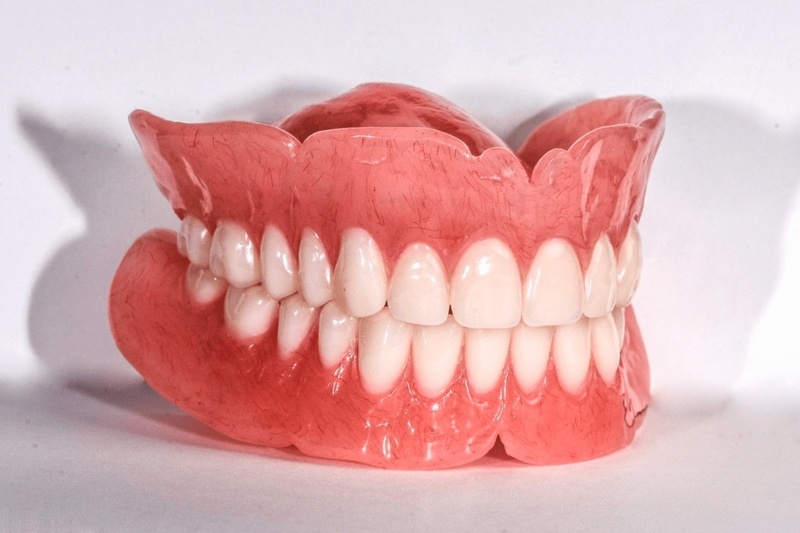
Missing teeth can affect much more than your appearance. They can make eating difficult, change the way you speak, and even impact your confidence. Fortunately, modern dentistry offers several reliable tooth replacement options, with implant-supported dentures and traditional dentures being two of the most popular choices. Understanding the differences between these treatments can help you make an informed decision for your long-term oral health.
At NY Implant Dentistry, patients in New York receive personalized care to determine which denture option best fits their lifestyle, budget, and dental needs.
What Are Traditional Dentures?
Traditional dentures are removable prosthetic devices designed to replace multiple or all missing teeth. They rest directly on the gums and are custom-made to fit your mouth. Complete dentures replace all teeth in an arch, while partial dentures replace only a few missing teeth.
Traditional dentures have helped millions of people restore their smiles for decades. However, because they rely on the gums for support, they may become loose over time as the jawbone naturally shrinks after tooth loss.
Benefits of Traditional Dentures
- Lower initial treatment cost
- Non-surgical solution
- Faster treatment timeline
- Suitable for many patients with significant tooth loss
- Easy to repair or replace if needed
Limitations
Traditional dentures may:
- Slip while eating or speaking
- Require adhesives for better stability
- Cause sore spots on the gums
- Need periodic adjustments due to bone loss
- Provide less chewing power compared to natural teeth
What Are Implant-Supported Dentures?
Implant-supported dentures are anchored securely to dental implants that are surgically placed into the jawbone. Instead of resting entirely on the gums, the dentures attach to implants, creating a stable and secure fit.
Depending on your needs, your dentist may recommend removable implant-retained dentures or permanently fixed implant-supported dentures.
Advantages of Implant-Supported Dentures
Superior Stability
One of the biggest advantages is stability. Implant-supported dentures stay firmly in place, allowing you to eat, laugh, and speak without worrying about movement.
Better Chewing Ability
Patients can comfortably enjoy a wider variety of foods, including tougher meats, fruits, and vegetables, because implant-supported dentures distribute biting forces more effectively.
Preserves Jawbone Health
Dental implants stimulate the jawbone much like natural tooth roots. This helps reduce bone loss, preserving facial structure and preventing the sunken appearance commonly associated with missing teeth.
Improved Comfort
Since implant-supported dentures don’t shift against the gums, many patients experience fewer sore spots and greater day-to-day comfort.
Long-Term Solution
With proper oral hygiene and routine dental visits, dental implants can last for many years, making them an excellent long-term investment.
Traditional Dentures vs. Implant-Supported Dentures
| Feature | Traditional Dentures | Implant-Supported Dentures |
|---|---|---|
| Stability | May move | Securely attached |
| Comfort | Moderate | Excellent |
| Bone Preservation | No | Yes |
| Chewing Efficiency | Moderate | High |
| Surgery Required | No | Yes |
| Initial Cost | Lower | Higher |
| Longevity | Requires adjustments | Long-lasting with proper care |
Which Option Is Better?
The best choice depends on several factors, including:
- Overall oral health
- Jawbone density
- Budget
- Lifestyle
- Personal preferences
Traditional dentures remain an effective option for many patients seeking an affordable solution. However, those looking for maximum comfort, stability, and long-term oral health often prefer implant-supported dentures.
A comprehensive dental examination helps determine which treatment offers the greatest benefits for your specific situation.
Who Is a Good Candidate for Implant-Supported Dentures?
You may be an excellent candidate if you:
- Have multiple missing teeth
- Have healthy gums
- Possess adequate jawbone or qualify for bone grafting
- Want improved denture stability
- Are committed to maintaining good oral hygiene
Your dentist will evaluate your medical history, bone structure, and treatment goals before recommending the most appropriate solution.
Caring for Your Dentures
Whether you choose traditional or implant-supported dentures, proper maintenance is essential.
Daily care includes:
- Cleaning dentures every day
- Brushing any remaining natural teeth
- Cleaning around dental implants thoroughly
- Attending regular dental checkups
- Following your dentist’s care instructions
Proper care helps extend the lifespan of your dentures while maintaining healthy gums and surrounding tissues.
Frequently Asked Questions
1. Are implant-supported dentures permanent?
Implant-supported dentures attach securely to dental implants. Some are removable for cleaning, while others are permanently fixed. Your dentist recommends the best option based on your oral health.
2. How long do implant-supported dentures last?
Dental implants can last for decades with proper care, while the denture itself may eventually require adjustments or replacement due to normal wear over time.
3. Do implant-supported dentures feel more natural?
Yes. Because they are anchored to implants, they feel more stable and closely resemble natural teeth during eating, speaking, and everyday activities than traditional dentures.
4. Are traditional dentures easier to get?
Traditional dentures usually require fewer appointments and no implant surgery, making them a faster tooth replacement option for many patients with missing teeth.
5. Can implant-supported dentures prevent bone loss?
Yes. Dental implants stimulate the jawbone during chewing, helping preserve bone density and reducing the bone shrinkage commonly associated with missing teeth.
6. How should I clean implant-supported dentures?
Daily cleaning around the implants and denture is essential. Your dentist may recommend special brushes, flossing aids, or water flossers to maintain excellent oral hygiene.