
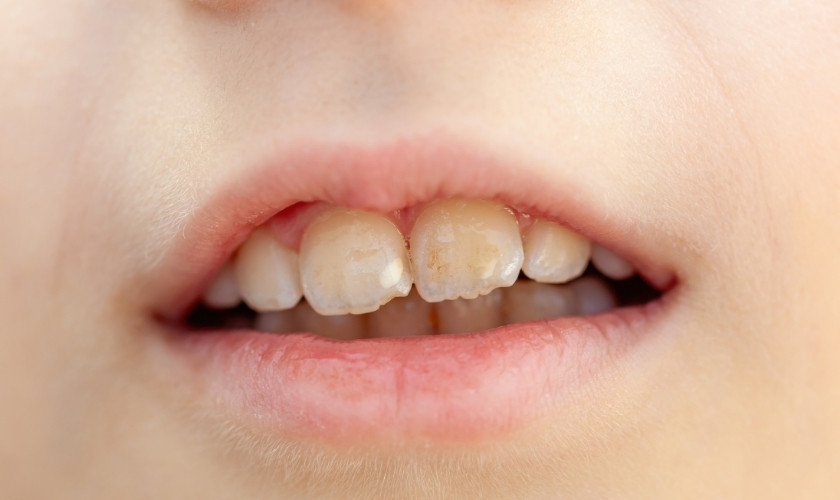
White discoloration on teeth can affect the appearance of your smile and may indicate underlying dental concerns. Many people notice small chalky areas or uneven coloring and wonder what causes them and how they can be treated. Understanding the reasons behind these spots and exploring treatment options can help restore a healthier, brighter smile.
At NY Implant Dentistry in New York, patients often seek professional guidance for cosmetic and restorative dental concerns related to enamel discoloration and tooth appearance.
What Causes White Spots on Teeth?
There are several reasons why white spots may develop on teeth. In some cases, they are harmless cosmetic imperfections, while in others, they can signal enamel damage or poor oral health habits.
Common causes include:
- Excessive fluoride exposure during childhood
- Poor oral hygiene while wearing braces
- Early tooth decay
- Enamel hypoplasia
- Acidic foods and beverages
- Dry mouth or reduced saliva production
These discolorations may appear as white spots on teeth or small chalky patches that stand out from the surrounding enamel. Some individuals also describe them as white marks on teeth because of their uneven appearance.
Different Types of Tooth Discoloration
White discoloration can appear in different forms depending on the cause. Some patients notice white bits on teeth near the gumline, while others may develop white patches on teeth after orthodontic treatment. These variations often help dentists determine the underlying issue.
A white spot on a tooth may start small but become more noticeable over time if left untreated. In certain cases, mineral loss from enamel can create white calcium spots on teeth, especially after braces are removed.
Some people also experience white stains on their teeth due to dietary habits or inadequate brushing techniques. Additionally, white areas on back teeth may be harder to notice initially because they are less visible during daily oral care routines.
Are White Spots Permanent?
Not always. The good news is that many white spots can be improved or eliminated with modern dental treatments. The success of treatment depends on the cause, severity, and overall condition of the enamel.
Early intervention is important. If the spots are caused by demineralization or early decay, addressing them promptly can prevent further enamel damage.
Professional Treatments for White Spots
1. Teeth Whitening
Professional whitening treatments may help blend mild discoloration with the surrounding enamel. However, whitening alone may not fully remove deeper spots because the affected areas can respond differently than healthy enamel.
A dentist can evaluate whether whitening is the best option based on the nature of the discoloration.
2. Enamel Microabrasion
Microabrasion is a cosmetic procedure that gently removes a thin layer of enamel to reduce the appearance of superficial spots. This treatment is often effective for mild surface stains and fluoride-related discoloration.
3. Resin Infiltration
Resin infiltration is a minimally invasive treatment commonly used for white spot lesions. During this procedure, a special resin is applied to the enamel to penetrate porous areas and improve color consistency.
This option is popular because it preserves natural tooth structure while providing immediate cosmetic improvement.
4. Dental Bonding
For more noticeable spots, dental bonding may be recommended. A tooth-colored resin is applied to the affected area and shaped to match the surrounding enamel. Bonding can improve both the appearance and strength of the tooth.
5. Porcelain Veneers
In severe cases involving widespread enamel defects, porcelain veneers may provide the best cosmetic solution. Veneers cover the front surface of teeth and create a smooth, uniform appearance.
How to Prevent White Spots on Teeth
Preventive care is essential for maintaining healthy enamel and avoiding future discoloration. Here are some important habits that can help:
- Brush twice daily with fluoride toothpaste
- Floss every day
- Limit sugary and acidic foods
- Drink plenty of water
- Maintain regular dental cleanings
- Follow proper oral hygiene during orthodontic treatment
Children should also avoid excessive fluoride intake during tooth development, as overexposure may contribute to enamel discoloration later in life.
When Should You See a Dentist?
If you notice persistent white discoloration, sensitivity, or changes in your enamel texture, it’s important to schedule a dental evaluation. Some white spots may indicate early decay that requires professional attention.
Dr. Greg R. Diamond carefully evaluates enamel health and recommends personalized treatment solutions designed to improve both oral health and smile aesthetics.
A professional dental assessment can identify the exact cause of the discoloration and determine the most effective treatment plan.
Restore Your Smile with Expert Dental Care
Modern cosmetic dentistry offers several effective ways to improve the appearance of tooth discoloration and strengthen enamel. Whether the issue is minor or more advanced, personalized treatment can help restore confidence in your smile.
If you are concerned about white spots or enamel discoloration, visit our office to explore professional treatment options tailored to your needs. The experienced team at NY Implant Dentistry proudly serves patients throughout New York with comprehensive cosmetic and restorative dental care. To learn more about available treatments or schedule an appointment, contact us today.
Frequently Asked Questions
1. What causes white spots on teeth?
White spots can develop from enamel demineralization, excess fluoride, poor oral hygiene, braces, or early tooth decay. A dental evaluation helps determine the exact cause and the best treatment option.
2. Can white spots on teeth go away naturally?
Some mild white spots may fade with improved oral hygiene and remineralization treatments. However, deeper enamel discoloration often requires professional cosmetic dental procedures.
3. Are white spots on teeth a sign of cavities?
In some cases, white spots may indicate early enamel decay caused by mineral loss. Visiting a dentist early can help prevent the condition from progressing into cavities.
4. How are white spots on teeth treated?
Treatment options may include teeth whitening, resin infiltration, dental bonding, microabrasion, or veneers. The right procedure depends on the severity and cause of the spots.
5. Can braces cause white spots on teeth?
Yes, plaque buildup around brackets can weaken enamel and create white spot lesions. Proper brushing, flossing, and regular dental cleanings help reduce this risk during treatment.
6. Is teeth whitening effective for white spots?
Professional whitening may help blend mild spots with surrounding enamel, but severe discoloration may need bonding or resin infiltration for more even cosmetic results.
7. When should I see a dentist for white spots?
You should schedule a dental visit if white spots become more noticeable, spread, or cause sensitivity. Early treatment helps protect enamel and improve your smile’s appearance.