
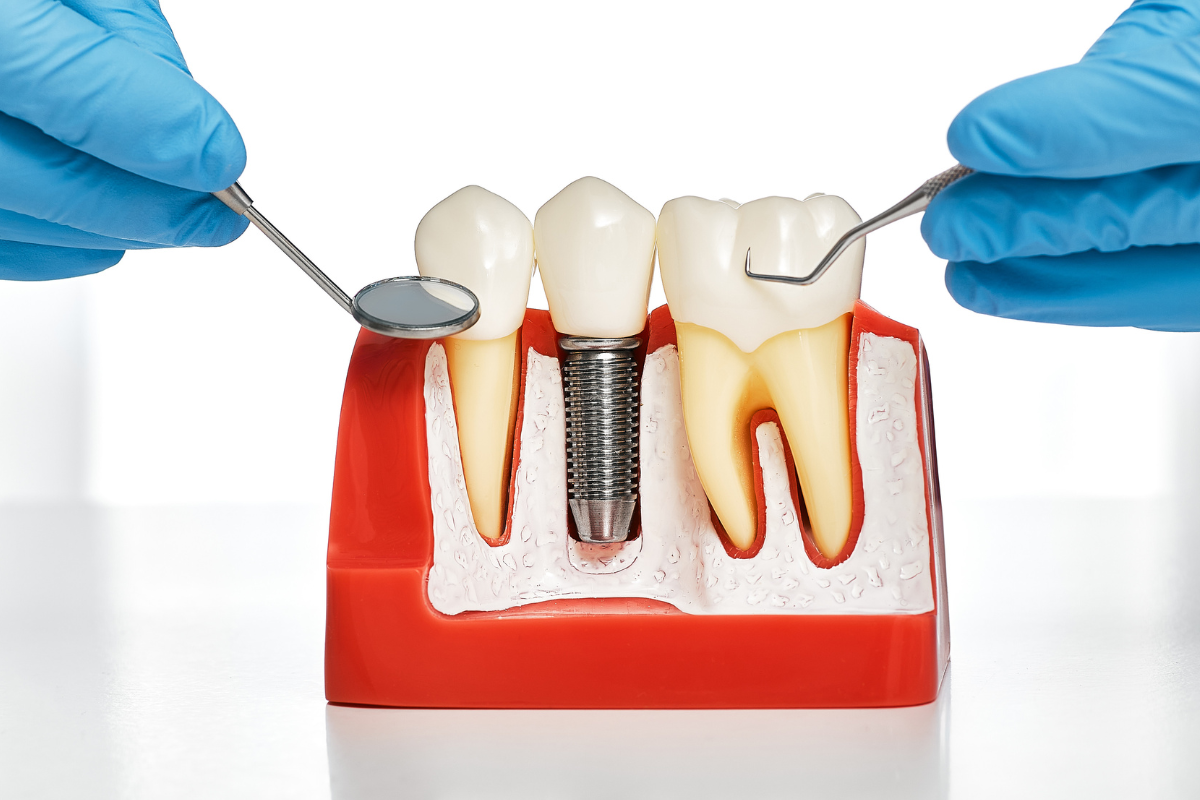
Dental implants are one of the most reliable and long-lasting solutions for replacing missing teeth. They look, feel, and function just like natural teeth, helping restore both your smile and confidence. However, many patients wonder—Can you have dental implants if you have gum disease? It’s an important question, especially since gum health plays a major role in the success of implant dentistry.
Understanding the Link Between Gum Health and Implants
Gum disease, or periodontal disease, is an infection that affects the tissues supporting your teeth. In its early stage (gingivitis), it causes redness, swelling, and bleeding gums. If left untreated, it can advance into periodontitis, leading to bone loss and even tooth loss.
Since dental implants rely on healthy bone and gum tissue to stay secure, untreated gum disease can make it difficult—or even risky—to place implants.
Why Gum Disease Affects Implant Success
When an implant is placed, it fuses with the surrounding jawbone in a process known as osseointegration. This strong bond is what gives implants their stability and longevity. However, if gum disease is present, bacteria and inflammation can interfere with this process, leading to the implant’s premature failure.
In short, healthy gums are the foundation for successful implant dentistry. Without proper gum health, even the most advanced implant procedure may not achieve long-term results.
Can You Still Get Dental Implants with Gum Disease?
The good news is that gum disease doesn’t automatically disqualify you from getting dental implants—it just means that treatment must come first. Once gum disease is under control, many patients become excellent candidates for dental implants in New York.
A comprehensive evaluation by your dentist will determine whether your gums and bone structure are healthy enough to support an implant. In some cases, additional procedures such as bone grafting or gum therapy may be recommended to strengthen the area before implant placement.
Steps to Take Before Getting Dental Implants
If you’ve been diagnosed with gum disease and are considering implants, here are a few important steps to take:
- Treat the Gum Infection First
Your dentist will recommend a periodontal treatment plan to remove infection and promote healing. This could include deep cleanings, improved oral hygiene, or laser therapy. - Allow the Gums to Heal
Once the infection is controlled, your gums need time to recover and rebuild strength. This ensures a more stable foundation for your implant. - Assess Bone Health
Since advanced gum disease can cause bone loss, your dentist may evaluate whether a bone graft is necessary to support the implant properly. - Commit to Excellent Oral Hygiene
Consistent brushing, flossing, and professional cleanings are key to maintaining your gum health before and after implant placement. - Schedule Regular Dental Checkups
Regular visits help your dental team monitor healing progress and ensure the implant remains stable for years to come.
How Implant Dentistry Promotes Long-Term Oral Health
Once your gum health is restored, implant dentistry offers a powerful way to preserve your smile. Unlike dentures or bridges, dental implants help maintain bone density and prevent the jawbone from shrinking over time. They also make it easier to chew, speak, and smile naturally without the worry of slipping or discomfort.
However, success depends on ongoing care. Brushing twice a day, flossing daily, and attending professional cleanings will protect your investment and support the long-term success of your implants.
The Importance of Professional Guidance
Choosing the right dental team is essential when considering implants after gum disease. A skilled and experienced implant dentist will assess your oral health, customize a treatment plan, and provide clear guidance every step of the way. With the right care and maintenance, many patients who once struggled with gum disease now enjoy healthy, lasting smiles with dental implants.
Final Thoughts
Gum disease doesn’t mean you have to give up on your dream smile—it just means taking the right steps before starting implant treatment. Restoring your gum health first ensures a stronger foundation for long-lasting results.
At NY Implant Dentistry, we take pride in offering patient-centered care, advanced implant dentistry, and personalized treatment plans to help you achieve a confident and healthy smile. Schedule an appointment today to find out if dental implants are right for you.