
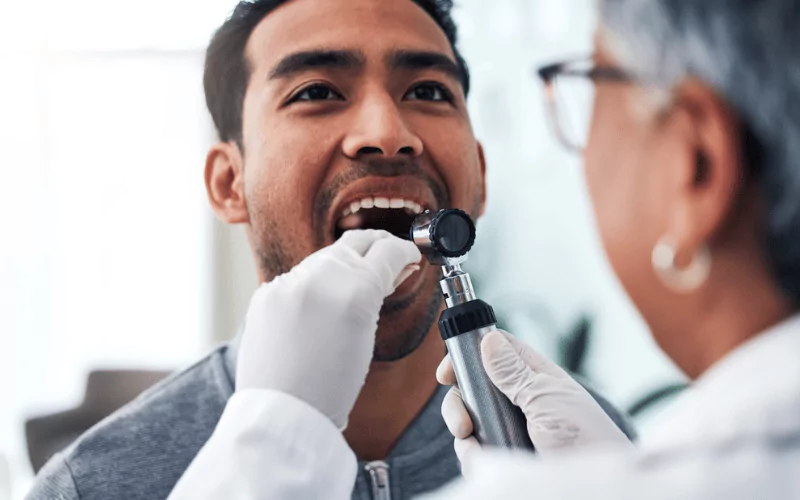
Oral cancer is a serious concern that affects thousands of people annually. It often develops without obvious symptoms in its early stages, making early detection crucial for improving survival rates. But do you know, what are the major causes of oral cancer?
According to the US National Library of Medicine, Oral cancer is the sixth most common cancer worldwide. Understanding the primary causes of oral cancer can help you reduce your risk and make informed choices about your health.
In this blog, we’ll explore seven major causes of oral cancer, including tobacco use, excessive alcohol consumption, HPV infections, and more, along with actionable steps you can take to protect your oral health.
Table of Contents:
- Tobacco Use
- Excessive Alcohol Consumption
- HPV Infection
- Prolonged Sun Exposure
- Poor Dietary Habits
- Chronic Irritations and Oral Trauma
- Family History and Genetics
- Conclusion
- FAQs
7 Major Causes of Oral Cancer
1. Tobacco Use
Tobacco use, whether through smoking cigarettes, cigars, or smokeless products like chewing tobacco and snuff, is the leading cause of oral cancer. The carcinogens in tobacco can damage the DNA of cells in the oral cavity, leading to abnormal growth and malignancies. Smokers are particularly at risk for cancers of the lips, tongue, cheeks, and throat.
If you use tobacco products, quitting is the most effective way to reduce your risk. Even long-term users can benefit from quitting, as the risk of cancer declines over time. Visit your nearest new york dentist for advice on how to stop using tobacco and prevent oral health problems.
2. Excessive Alcohol Consumption
Drinking alcohol excessively can increase the likelihood of oral cancer, as alcohol acts as a solvent that allows carcinogenic substances to penetrate oral tissues. The risk of developing oral cancers rises significantly when alcohol is consumed in combination with tobacco.
If you regularly consume more than three to four alcoholic drinks per day, your risk of oral cancer is higher. Reducing alcohol intake or quitting altogether can help minimize your risk.
3. HPV Infection
The human papillomavirus (HPV) is a major contributor to the development of oropharyngeal cancers, particularly in younger individuals. HPV type 16 is most commonly linked to these cancers, which typically affect the tonsils and the back of the tongue.
HPV is transmitted through intimate contact, and while most HPV infections go away on their own, some can lead to cancer. Vaccination against HPV can reduce the risk of HPV-related cancers, particularly when administered during adolescence. Consult your nearest dentist for more information on HPV and cancer prevention.
4. Prolonged Sun Exposure
Many people are unaware that prolonged sun exposure can lead to lip cancers. The lips, especially the lower lip, are highly susceptible to UV damage since they lack melanin, the protective pigment found in other parts of the body. Sunburned lips may develop sores or lesions that can eventually turn into cancerous growths.
To protect your lips, use lip balms with SPF, wear wide-brimmed hats, and avoid prolonged sun exposure, especially during peak hours.
5. Poor Dietary Habits
A poor diet that lacks essential nutrients, including vitamins A, C, and E, can weaken your immune system and reduce the body’s ability to repair damaged cells. A diet low in fresh fruits and vegetables increases the risk of oral cancer because these foods contain antioxidants that protect cells from harmful free radicals.
On the other hand, a diet high in processed foods, sugars, and unhealthy fats can promote inflammation, further increasing the risk of malignancies. Adopting a balanced diet that includes a variety of whole foods is an important preventive measure in reducing the risk of oral cancer.
6. Chronic Irritations and Oral Trauma
Repeated trauma to the oral tissues, such as from ill-fitting dental appliances, sharp tooth edges, or chronic biting injuries, can increase the risk of oral cancer. Constant irritation can lead to a chronic inflammatory response, which in turn can trigger abnormal cell growth.
For example, poorly adjusted dentures can cause sores or lesions in the mouth that, over time, may develop into malignant tissue. It’s crucial to have regular dental checkups to ensure that any dental appliances are fitted properly and that any mechanical irritations are addressed promptly.
7. Family History and Genetics
While many risk factors for oral cancer are related to lifestyle choices, genetics also plays a significant role. If you have a family history of oral cancers, you may be at a higher risk due to inherited gene mutations that impair your body’s ability to repair DNA or control cell growth.
Though genetic factors are non-modifiable, regular oral cancer screenings can help catch early signs of cancer, even in those with a family history of the disease. If you have a strong family history of oral cancer, it’s important to be proactive and schedule regular visits with a dentist for early detection.
Conclusion
Oral cancer is a serious disease, but early detection and prevention are possible with the right steps. Don’t overlook the importance of routine dental visits for early detection.
By understanding the major causes—such as tobacco use, alcohol consumption, HPV, and poor diet—and taking action, like quitting tobacco, limiting alcohol, eating a balanced diet, and scheduling regular dental checkups, you can greatly reduce your risk.
If you’re concerned about your risk or need preventive care, schedule an appointment with a trusted dentist in New York today.
FAQs
1. What are the main causes of oral cancer?
Tobacco use, excessive alcohol consumption, HPV infection, prolonged sun exposure, poor diet, chronic oral irritations, and genetic factors are the major causes of oral cancer.
2. How does tobacco use contribute to oral cancer?
Tobacco contains carcinogens that damage the DNA of cells in the mouth, leading to the development of cancerous growths.
3. Can a poor diet lead to oral cancer?
Yes, a diet lacking essential vitamins and minerals can weaken the body’s defense mechanisms and increase the risk of cancer.
4. What can I do to prevent oral cancer?
Avoid tobacco and excessive alcohol use, maintain a healthy diet, protect your lips from sun exposure, and schedule regular dental checkups.
5. Is HPV vaccination effective in preventing oral cancer?
Yes, the HPV vaccine has been shown to significantly reduce the risk of HPV-related oral cancers, especially when given during adolescence.