
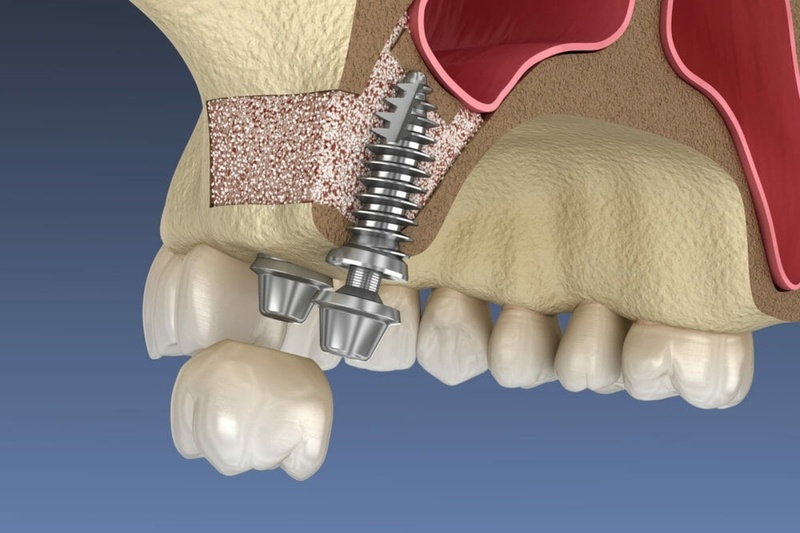
What is a sinus lift surgery?
A sinus lift, also known as a sinus augmentation or sinus elevation, is a surgical procedure performed to increase the amount of bone in the upper jaw, specifically in the area of the premolar and molar teeth. This additional bone is necessary to successfully place dental implants in individuals who have experienced significant bone loss in that region.
The upper jaw, or maxilla, is directly below the sinus cavities. Over time, the bone in this area can deteriorate due to various factors, such as tooth loss, gum disease, or natural ageing processes. A sinus lift surgery is often recommended when the bone density becomes insufficient to support dental implants.
During the procedure, the oral surgeon creates an opening in the side of the maxillary sinus and gently lifts the sinus membrane upward. This creates a space where a bone graft material can be placed, allowing for new bone growth and increased bone volume.
Why is a sinus lift surgery needed?
There are several reasons why it may be necessary:
- Tooth Loss and Bone Resorption: When teeth are lost, the jawbone begins to resorb or shrink over time due to lack of stimulation from the tooth roots. This process can significantly reduce bone height, making it challenging to place dental implants without additional bone augmentation.
- Sinus Pneumatization: As people age, the sinus cavities tend to expand, further reducing the available bone height in the upper jaw. This natural process, known as sinus pneumatization, can make placing implants without a sinus lift impossible.
- Congenital Defects: Some individuals may have congenital disabilities or abnormalities in the upper jaw that result in insufficient bone volume for implant placement.
- Trauma or Injury: Accidents or injuries that affect the upper jaw can lead to bone loss, necessitating a sinus lift before dental implants can be considered.
The benefits of a sinus lift
Undergoing a sinus lift offers several advantages:
- Increased Bone Volume: The primary benefit of a sinus lift is the creation of additional bone volume in the upper jaw, allowing for the successful placement of dental implants where it was previously impossible.
- Improved Implant Stability: By augmenting the bone in the maxillary sinus area, the implants can be securely anchored, ensuring long-term stability and reducing the risk of implant failure.
- Restoration of Chewing Function: With dental implants supported by increased bone volume, patients can regain their ability to chew and bite with confidence, improving their overall quality of life.
- Enhanced Facial Aesthetics: Dental implants restore functionality and help maintain the natural contours of the face, preventing the sunken appearance often associated with tooth loss.
The procedure of a sinus lift
The surgery is typically performed under local anaesthesia, although some patients may require additional sedation or general anaesthesia depending on their circumstances. The procedure involves the following steps:
- Incision and Flap Creation: The oral surgeon makes an incision in the gum tissue to expose the jawbone and create a small window or opening in the lateral wall of the maxillary sinus.
- Membrane Elevation: Using specialized instruments, the surgeon carefully detaches the sinus membrane from the bone, creating a space for the bone graft material.
- Bone Graft Placement: Once the membrane is elevated, the surgeon places a bone graft material, typically derived from synthetic materials, cadaver bone, or the patient’s bone (autograft), into the created space.
- Membrane Closure and Wound Healing: The sinus membrane is gently repositioned over the bone graft, and the incision is closed with sutures. The bone graft material, known as osseointegration, is left to integrate with the existing bone over several months.
- Implant Placement: After typically 4 to 9 months of healing, the oral surgeon can place dental implants in the augmented bone area.
Recovery and aftercare for a sinus lift
Following a sinus lift, patients can expect some swelling, discomfort, and minor bleeding, which are normal side effects of the procedure. The recovery process typically involves:
- Pain Management: Over-the-counter or prescribed pain medications can help manage discomfort during the initial recovery period.
- Dietary Restrictions: Patients may need to follow a soft diet for a few days to avoid irritating the surgical site.
- Cold Therapy: Applying ice packs to the affected area can help reduce swelling and discomfort.
- Oral Hygiene: Gentle brushing and rinsing with an antimicrobial mouthwash are recommended to keep the surgical site clean and promote healing.
- Follow-up Appointments: Regular check-ups with the oral surgeon are essential to monitor the healing process and ensure proper integration of the bone graft material.
Most patients can return to their normal activities within a few days, although strenuous physical activity should be avoided for a more extended period to prevent complications.
Bone augmentation and dental implants explained.
Bone augmentation, also known as bone grafting, is a surgical procedure used to increase the volume and density of jawbone tissue. This process is often necessary for individuals who have experienced significant bone loss due to various factors, such as tooth loss, gum disease, or trauma.
Dental implants are synthetic tooth roots constructed from titanium or other materials compatible with the body. They are surgically placed into the jawbone as a foundation for replacement teeth, such as crowns, bridges, or dentures.
For dental implants to be successful, there must be sufficient bone volume and density in the jawbone to support and anchor the implants securely. When the existing bone is inadequate, bone augmentation procedures like sinus lifts are performed to create the necessary bone structure for implant placement.
The connection between sinus lift and dental implants
It is a specific type of bone augmentation procedure that focuses on increasing the bone volume in the upper jaw, particularly in the premolar and molar teeth. This procedure is often necessary when the natural bone height in this region is insufficient to accommodate dental implants.
By creating additional bone volume through surgery, patients can become eligible for dental implant placement in areas where it was previously impossible. The increased bone height and density provide a stable foundation for the implants, ensuring their long-term success and functionality.
Without a sinus lift, attempting to place dental implants in areas with inadequate bone could lead to complications, such as implant failure, sinus membrane perforation, or other complications.
The success rate of sinus lift and dental implants
Sinus lift and dental implant placement have high success rates when performed by experienced oral surgeons and followed by proper post-operative care.
According to various studies, the success rate for sinus lift procedures ranges from 85% to 98%, with the highest rates observed when using the patient’s own bone (autograft) as the grafting material.
Similarly, dental implants placed in augmented bone areas after a sinus lift have a long-term success rate of approximately 90% to 95%, comparable to implants placed in areas with sufficient natural bone.
It’s important to note that these success rates can vary depending on factors such as the patient’s overall health, bone quality, surgical technique, and adherence to post-operative instructions.
Alternatives to sinus lift
While a sinus lift is often the preferred option for increasing bone volume in the upper jaw, there are alternative approaches that may be considered in certain cases:
- Short Dental Implants: In some instances, shorter implants (6-8 mm) may be used to avoid the need for a sinus lift, provided sufficient bone height is available.
- Zygomatic Implants: These specialized implants are anchored in the zygomatic (cheekbone) area, bypassing bone augmentation in the upper jaw.
- Bone Expansion Techniques: Techniques like ridge splitting or bone expansion can create additional space for implant placement without requiring a sinus lift.
- Removable Dentures or Bridges: Removable dentures or bridges may be considered an alternative solution for individuals who are unsuitable for implants or prefer a non-surgical option.
The choice depends on various factors, including the patient’s anatomical conditions, overall health, and personal preferences. A comprehensive evaluation by an experienced oral surgeon is essential to determine the most appropriate treatment plan.
Finding a reputable oral surgeon for sinus lift surgery
Choosing the right oral surgeon for a sinus lift procedure ensures a successful outcome and minimizes potential risks or complications. Here are some factors to consider when selecting an oral surgeon:
- Qualifications and Experience: Look for an oral surgeon who is board-certified and has extensive experience performing sinus lift surgeries and dental implant procedures. Inquire about their success rates and ask for references or patient testimonials.
- Advanced Training: Opt for an oral surgeon who has received specialized training in sinus lift techniques, bone augmentation procedures, and implant dentistry from reputable institutions or continuing education programs.
- State-of-the-Art Facilities: Choose a practice that utilizes modern equipment and advanced imaging technologies (such as 3D cone beam CT scans) and adheres to strict sterilization protocols to ensure patient safety and optimal surgical outcomes.
- Personalized Care: Select an oral surgeon who takes the time to understand your individual needs, addresses your concerns, and develops a customized treatment plan tailored to your specific situation.
- Reputation and Reviews: Research the oral surgeon’s reputation by reading online reviews, asking for recommendations from your general dentist or other healthcare professionals, and checking for any disciplinary actions or complaints.
- Communication and Transparency: Effective communication is essential throughout the treatment process. Look for an oral surgeon who explains the procedure, potential risks, and post-operative care instructions clearly and transparently.
Remember, sinus lift is a complex procedure that requires a high level of skill and expertise. Finding a reputable and experienced oral surgeon can significantly increase the chances of a successful outcome and a smooth recovery process.
Conclusion
A sinus lift surgery is a valuable procedure that can restore the necessary bone volume in the upper jaw, enabling the placement of dental implants in areas where it was previously impossible. By augmenting the bone in the maxillary sinus area, patients can regain their ability to chew and bite confidently, improving their facial aesthetics and overall quality of life.
While the procedure may seem daunting, with proper planning, an experienced oral surgeon, and adherence to post-operative care instructions, the success rates for sinus lift surgeries and subsequent dental implant placement are remarkably high.
If you are considering dental implants but have been told you lack sufficient bone in the upper jaw, don’t hesitate to schedule a consultation with an experienced oral surgeon.
They can evaluate your situation and determine if surgery is the right solution. Regaining a healthy, functional, and beautiful smile is within reach with the advancements in bone augmentation and implant dentistry.
Remember, your oral health is a crucial aspect of your overall well-being, and taking proactive steps towards restoring your smile can profoundly impact your confidence and quality of life.