
Missing teeth? Choosing a suitable replacement can be daunting. Implant-supported bridges and traditional dentures are two popular options. While both restore smiles, they come with distinct pros and cons.
In this blog, we’ll explore the many benefits of dental implant bridges and demonstrate their superior functionality and aesthetics. Discover why more people opt for implants as a lasting solution for a healthy, confident smile.
What Is Implant-Supported Bridges?
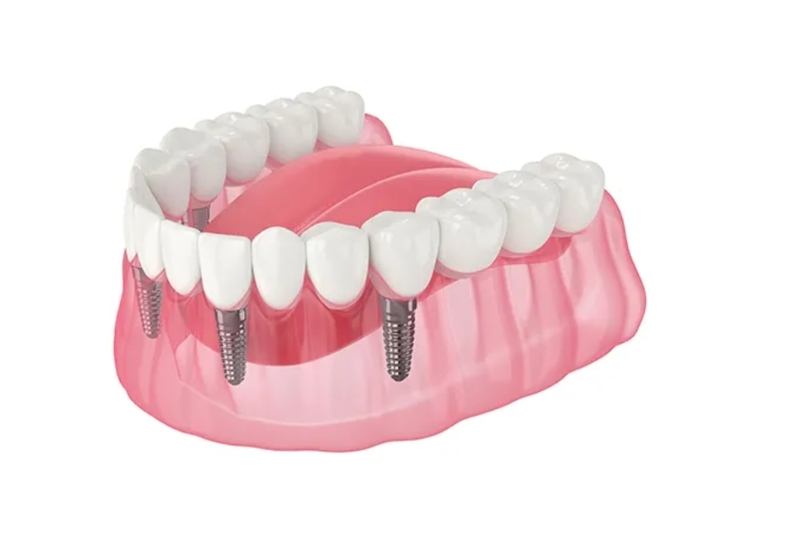
Dental implant bridges are dental prosthetics anchored to implants in the jawbone. This creates a strong foundation for replacement teeth. The implants act like tooth roots, providing stability and ensuring the surrounding teeth remain in their correct positions.
The procedure typically involves placing titanium posts into the jaw, which integrate with the bone over time. This integration provides a robust base for the bridge, ensuring it stays securely in place.
A Long-Lasting Solution
One of the standout benefits of implant-assisted bridges is their durability. Unlike traditional dentures, which may need replacement every few years, dental implant bridges can last a lifetime with proper care.
Many patients enjoy their implants for decades, making them a cost-effective investment in your dental health. The longevity of implant-retained bridges means fewer dental visits for replacements, allowing you to focus on enjoying life rather than worrying about your dental restorations.
Supporting Surrounding Teeth
Traditional dentures can sometimes lead to additional issues for surrounding teeth. When missing teeth leave gaps, neighboring teeth may shift or become loose, causing discomfort and misalignment.
This can lead to a domino effect of dental issues. Implant-assisted bridge, on the other hand, help maintain the positioning of adjacent teeth. They provide stability to prevent the surrounding teeth from drifting into empty spaces, thereby preserving your natural bite.
A Natural Feel and Functionality
This are designed to look, feel, and function like your natural teeth. Patients often report improved confidence after receiving their implants. The secure fit of the implants allows for regular biting and chewing.
This means you can enjoy your favorite foods without worry, unlike traditional dentures, which can slip and cause discomfort while eating. Many denture wearers find they have to avoid certain foods, but implant-retained bridges allow for a more diverse and enjoyable diet.
Improved Speech
Another significant advantage of this is the improvement in speech. Many people with traditional dentures find their speech affected, especially when they first start wearing them.
Slippage or movement of the dentures can cause mumbling or difficulty pronouncing certain words. In contrast, dental implant bridges allow for more explicit speech since they stay securely in place. This improved communication can significantly enhance daily interactions and overall confidence.
Preservation of Bone Structure
Missing teeth can lead to bone loss in the jaw over time. When teeth are absent, the jawbone can deteriorate, which may alter the shape of your face and lead to additional dental problems.
Traditional dentures do not stimulate the bone structure, exacerbating further deterioration. It, however, help preserve the jawbone. The implants stimulate bone growth, maintaining your facial structure and preventing a sunken appearance. This stimulation is crucial for long-term oral health.
Cost-Effectiveness Over Time
While the initial cost of dental implant bridges may be higher than traditional dentures, they can be more cost-effective in the long run. Conventional dentures can incur ongoing costs for replacements, adhesives, and adjustments.
In contrast, since implant-retained bridges last longer and require fewer replacements, you may save money on dental procedures. Reducing dental problems related to misalignment or bone loss can also contribute to overall savings.
Choosing between implant-supported bridges and traditional dentures is crucial for your dental health. Dental implant bridges offer numerous advantages, including durability, improved functionality, and a natural appearance. They also help preserve bone structure, making them a wise choice for those with missing teeth.
If you are looking for a lasting fix for missing teeth, the implant-supported bridge is a smart choice. Reach out to NY Implant Dentistry—Dr. Greg R. Diamond, DDS—for top options of implant-retained bridges tailored to you.