
Good dental health is essential for overall well-being. This are critical treatments for maintaining healthy gums. This deep cleaning procedure targets plaque, tartar, and harmful bacteria. Understanding the scaling process can help you regain control over your oral health if you have gum disease.
The periodontal treatment goes beyond standard cleanings. It provides a thorough cleansing of tooth surfaces and roots below the gums. Scaling improves gum health and prevents further issues by addressing harmful buildup.
This blog will explore scaling and root planing, their importance, and their benefits. This guide offers valuable insights whether you’re experiencing gum disease or want to maintain healthy gums.
What Is Scaling and Root Planing?
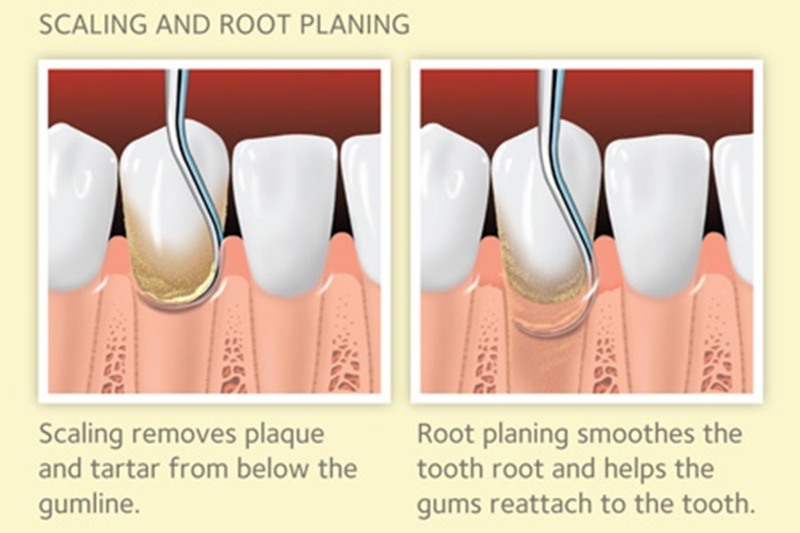
Periodontal treatment is a non-surgical dental procedure that involves cleaning below the gum line to remove plaque and tartar buildup. Scaling refers to the removal of plaque and tartar from tooth surfaces. The process of root planing smooths tooth roots, facilitating gum reattachment. This process is essential for treating gum disease, especially in its early stages.
The Importance of Bacteria, Plaque, and Tartar Removal
Bacteria are a leading cause of gum disease. They thrive in the sticky film known as plaque. If not removed, plaque hardens into tartar, which can only be removed by a dental professional. The presence of plaque and tartar irritates gums, leading to inflammation and infection.
Regular cleaning helps maintain gum health. Removing bacteria is crucial in preventing periodontal disease, a severe gum disease. This condition can lead to tooth loss if left untreated. Thus, this are critical in maintaining oral hygiene.
The Scaling Process
During the scaling phase, your dental hygienist will use specialized tools. They will carefully scrape plaque and tartar from your teeth and beneath your gums. This part of the process may take longer for individuals with significant buildup. The hygienist may use ultrasonic instruments that vibrate at high frequencies. This helps dislodge tartar without excessive scraping.
You may feel discomfort during the procedure, but it’s manageable. Dentists often offer local anesthesia to minimize discomfort. After scaling, your teeth will feel smoother and cleaner, contributing to oral health.
The Root Planing Process
Root planing follows scaling and is just as crucial. This step involves smoothing the surfaces of your tooth roots. Smoother roots are less likely to harbor bacteria and plaque, promoting gum healing. Root planing helps the gums reattach to the teeth more effectively.
Your dentist may use hand instruments or ultrasonic tools for root planing. This allows for precise cleaning of each root surface. The process can take some time, especially if multiple teeth are involved. However, it is essential for ensuring the long-term health of your gums.
Aftercare and Recovery
Post-treatment care is essential for optimal healing. Your dentist will provide guidelines for maintaining your oral hygiene routine. This may include using an antibacterial mouthwash and softer toothbrushes. You might experience some sensitivity in your teeth after the procedure. Sensitivity is normal and usually subsides within a few days.
You should continue with regular dental check-ups to monitor your gum health. Consistent maintenance will help prevent further buildup of plaque and tartar. If you follow the advice of your dentist, you’ll likely see significant improvement in your gum health.
What are the benefits?
Periodontal treatment offers numerous benefits:
- It helps reduce gum inflammation and promotes healing. Improved gum health can lead to a healthier mouth overall.
- By removing harmful bacteria, this procedure lowers the risk of tooth loss.
- Patients often notice a significant improvement in breath freshness.
Additionally, scaling and root planing can contribute to a brighter smile. Removing plaque and tartar can lead to whiter teeth, enhancing overall appearance. Most importantly, investing in your gum health today can prevent more extensive treatments in the future.
Grasping the periodontal treatment puts you in control of your oral health journey. This essential treatment tackles plaque, tartar, and bacteria that lead to gum disease. Make regular dental visits and cleanings a priority to keep your smile shining bright!
If you detect any signs of gum disease, act now. Reach out to NY Implant Dentistry, Dr. Greg R. Diamond, DDS, for scaling and root planing.