
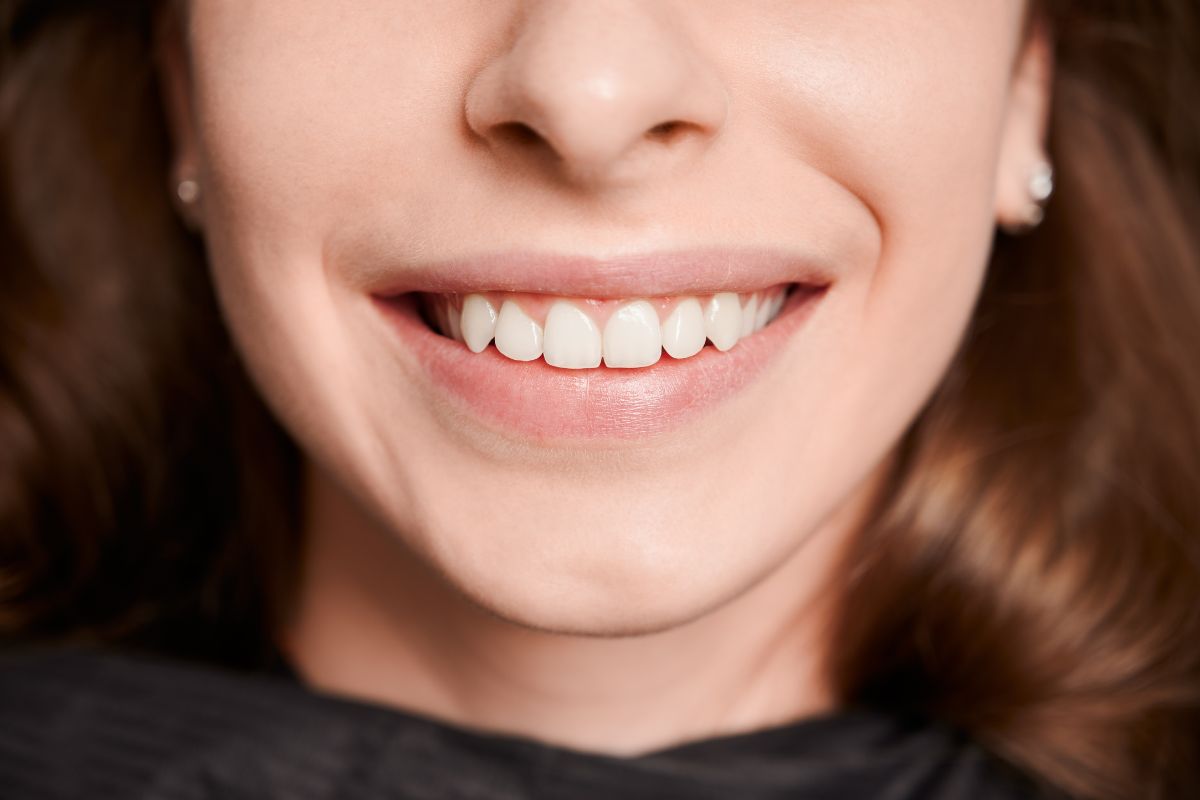
Have you ever looked at a photo and wondered why your smile doesn’t appear the way it does in the mirror? You’re not alone. Many people feel their smile looks uneven or asymmetrical in photos, even though it seems perfectly fine in real life. This can be confusing—and sometimes frustrating—especially when the difference is noticeable only in pictures.
Understanding why a smile can look uneven in photos involves more than just teeth. Facial structure, muscle movement, camera angles, and lighting all play a role in how your smile is captured. From a cosmetic dentistry perspective, these factors are closely tied to dental symmetry and overall dental appearance improvement.
Below, we’ll break down the most common reasons your smile looks different in photos and explain what’s really happening behind the scenes.
The Difference Between Mirrors and Cameras
One of the most common reasons people ask, “Why does my face look uneven when smiling?” comes down to perception. When you look in the mirror, you’re seeing a reversed image—one you’ve grown accustomed to over time. A camera, however, captures your face as others see it.
This subtle shift can make minor asymmetries stand out more in photos. Even small differences in tooth alignment, lip movement, or jaw positioning may appear exaggerated. From the viewpoint of a cosmetic dentist in New York, this is one of the most frequent explanations patients don’t initially consider.
Natural Facial Asymmetry Is Completely Normal
No human face is perfectly symmetrical. One side of your face is often slightly stronger or more dominant than the other, especially when you smile. This dominance can cause one side of the mouth to lift higher, exposing more teeth and creating the appearance of an uneven smile.
This is why many people say their smile looks different in photos compared to everyday interactions. Facial muscles work dynamically, and a still image freezes a single moment that may not reflect how your smile looks in motion.
How Camera Angles and Lenses Affect Your Smile
Camera positioning plays a huge role in dental appearance. Photos taken from slightly above, below, or at an angle can distort facial proportions. Wide-angle lenses, commonly used in smartphones, tend to exaggerate features closer to the camera, like one side of your smile.
Lighting can also create shadows that make teeth or lips appear uneven. These photographic factors have nothing to do with dental health, yet they can strongly influence how your smile is perceived in images.
Dental Symmetry and Tooth Visibility
While facial factors matter, dental symmetry is another key component. Teeth may be naturally aligned in a way that looks balanced in real life but appears uneven when smiling broadly in photos. For example, if one side of your smile shows more gum or tooth surface, it can create a visual imbalance.
Cosmetic dentistry often evaluates how teeth interact with facial features, lips, and smile lines—not just how straight they are. This holistic approach helps explain why smiles can appear different depending on expression and angle.
Lip Shape, Smile Lines, and Muscle Movement
Your lips frame your teeth, and their shape plays a major role in how your smile is captured. Some people have uneven lip movement due to muscle strength differences, past dental work, or even habitual expressions.
Smile lines—the curves formed when you smile—can also vary from side to side. These small variations are usually unnoticed in conversation but become more visible in still photos.
Psychological Factors: Why You Notice It More Than Others
Interestingly, you are far more likely to notice asymmetry in your own smile than anyone else. Studies show that people tend to focus on perceived flaws in photos because they’re comparing the image to an idealized version of themselves.
This heightened awareness often leads people to search for dental appearance improvement, even when others don’t see an issue at all. A cosmetic dentistry–centered perspective helps normalize these concerns and separate perception from reality.
Why This Matters from a Cosmetic Dentistry Perspective
A cosmetic dentist in New York looks beyond individual teeth and considers the entire smile as part of facial harmony. Understanding why a smile appears uneven in photos helps patients make informed decisions without feeling pressured or self-critical.
Cosmetic dentistry emphasizes balance, proportion, and natural aesthetics—recognizing that a smile doesn’t need to be perfectly symmetrical to be attractive or healthy.
Embracing a Confident, Natural Smile
An uneven-looking smile in photos doesn’t mean something is wrong. In most cases, it’s the result of normal facial anatomy combined with camera mechanics. Awareness is empowering—it allows you to understand your smile rather than judge it.
By focusing on dental symmetry, facial balance, and realistic expectations, people can feel more confident and informed about their appearance without chasing perfection.
Smile Confidence Starts with Understanding – NY Implant Dentistry in New York
Understanding why your smile looks uneven in photos is often about awareness rather than flaws. Factors like facial asymmetry, camera angles, muscle movement, and dental symmetry all influence how your smile is captured, even when everything feels natural in real life. At NY Implant Dentistry, we believe that confidence begins with education and clarity. Guided by a cosmetic dentistry-centered approach and a commitment to high-quality care, we help patients better understand their smiles and feel confident about their appearance. If you’ve been wondering about your smile or want professional insight from a trusted cosmetic dentist in New York, we encourage you to schedule an appointment and take a thoughtful step toward informed smile confidence.
Frequently Asked Questions
Why does my smile look uneven in photos but normal in the mirror?
Photos show your face as others see it, not the reversed version you’re used to in the mirror. This makes natural asymmetry more noticeable.
Is it normal for one side of my smile to look higher than the other?
Yes. Most people have uneven muscle movement when smiling, which can cause one side of the mouth to lift more.
Why does my face look uneven when I smile in pictures?
Camera angles, lighting, and lens distortion can exaggerate small facial differences that aren’t obvious in real life.
Does an uneven smile in photos mean there’s a dental problem?
Not usually. In many cases, it’s related to facial structure or photography rather than dental health.
Can dental symmetry affect how my smile photographs?
Yes. Tooth visibility, smile lines, and how teeth align with facial features can influence how balanced a smile appears in photos.